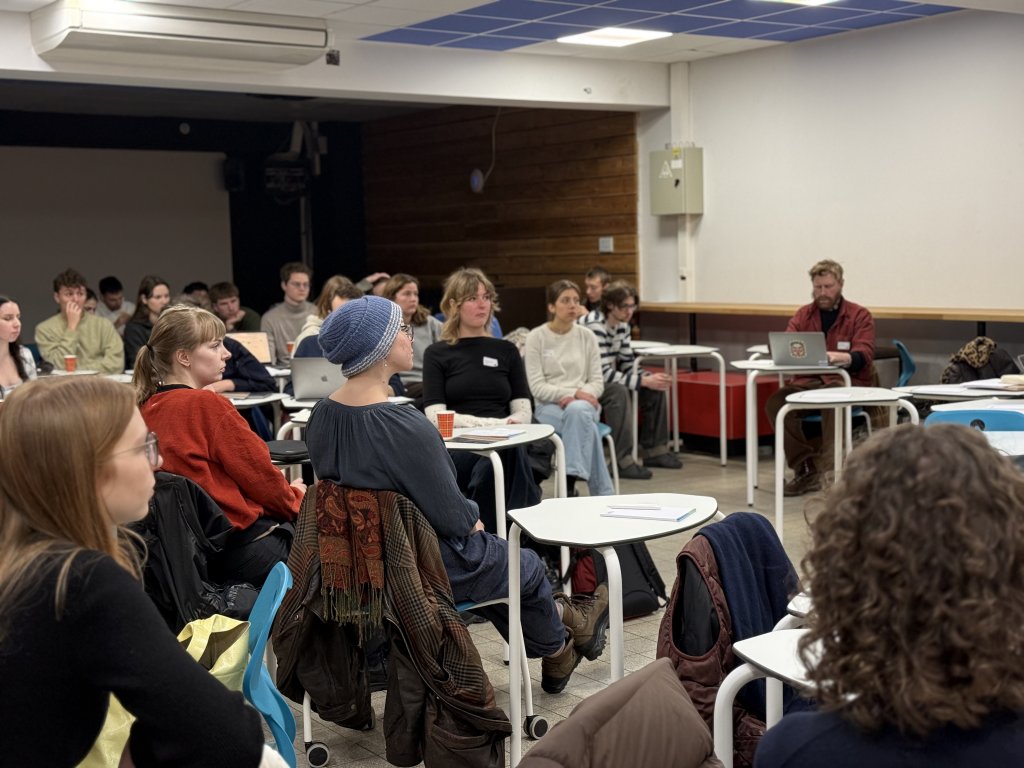
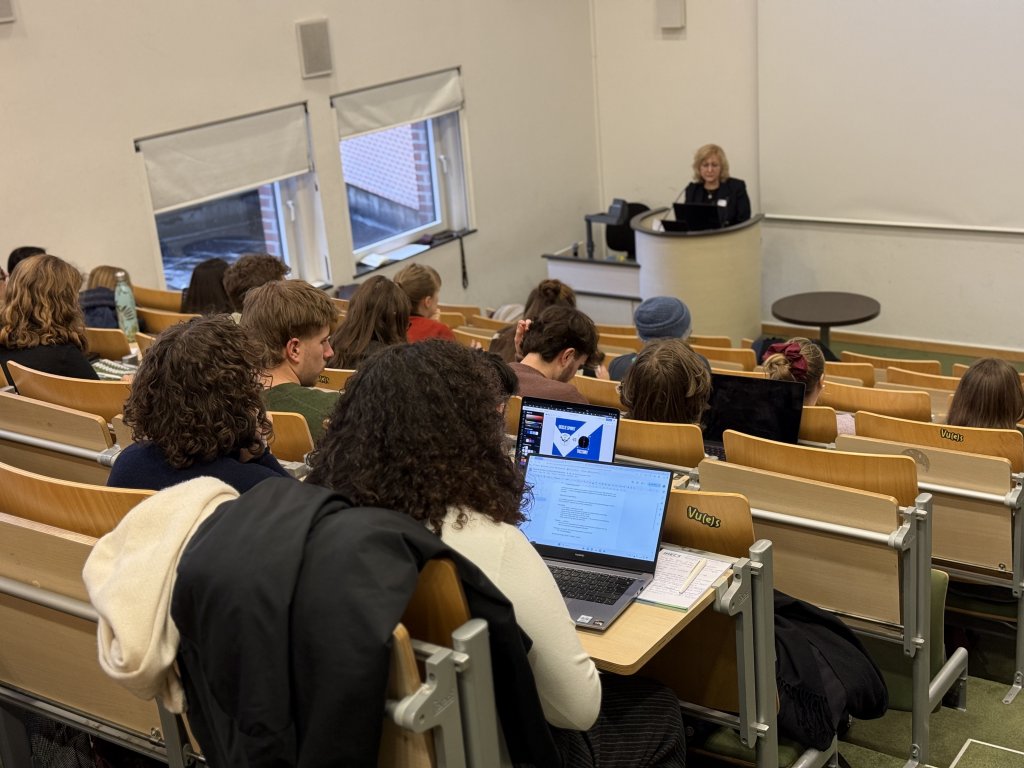
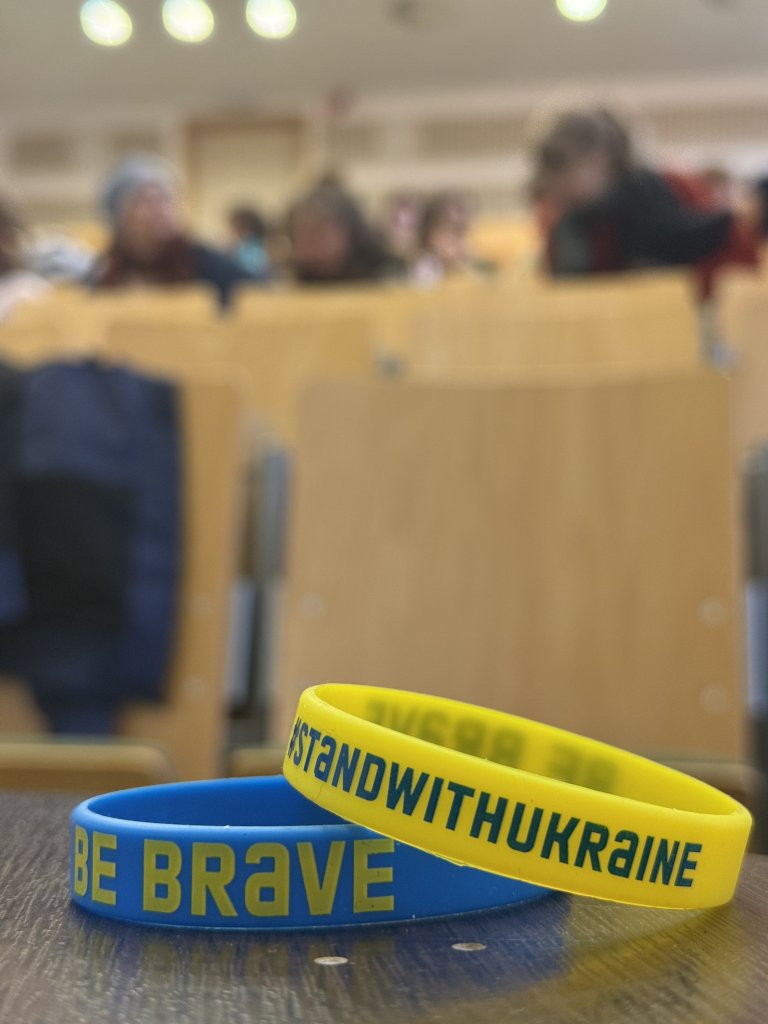
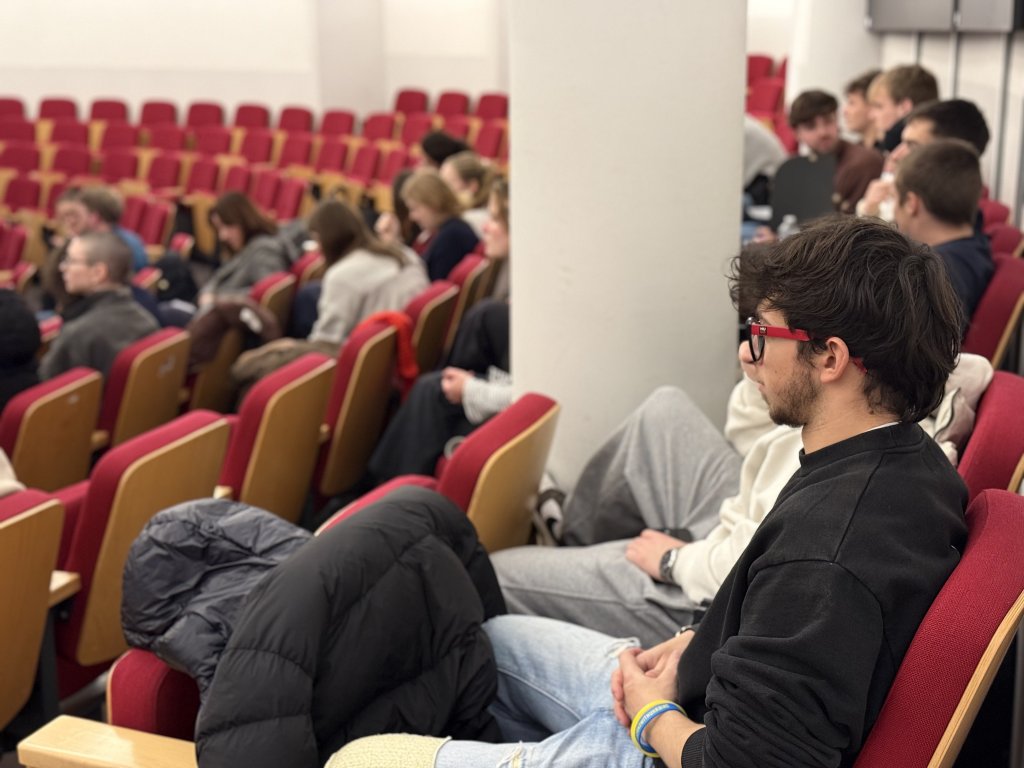
From February 16 to 23, 47 participants took part in an intensive program focused on the media challenges of the war in Ukraine. Brussels became a true laboratory for journalism, combining masterclasses led by war reporters with hands-on field reporting.
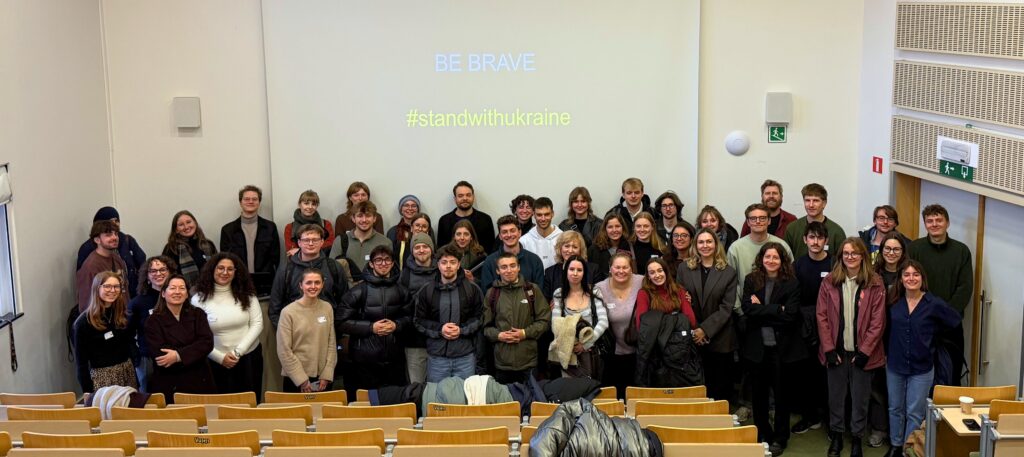
This Blended Intensive Programme (BIP) brought together students from Dortmund, Gothenburg, and Lisbon, alongside our third-year Bachelor students in Press and Information, web track. The program was guided by leading professionals, including reporter Wilson Fache, recipient of the Albert Londres Prize and a 2015 PI alumnus, Toma Istomina, editor-in-chief of the Kyiv Independent, and two professors from Borys Grinchenko Kyiv University.
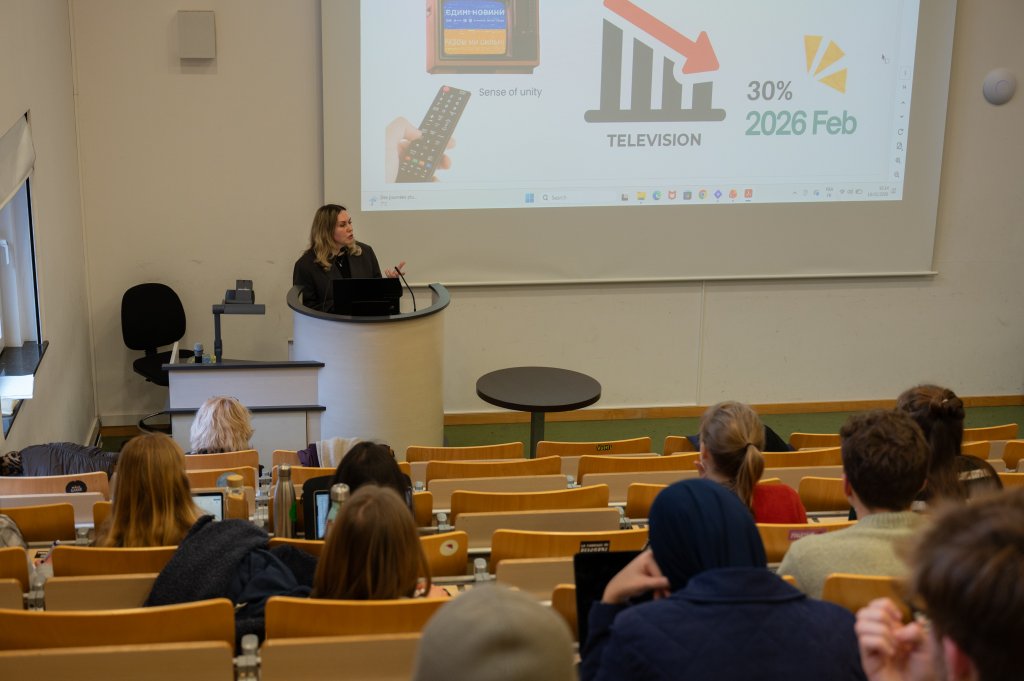
Through their contributions, students explored the concept of the “digital front line” and examined the crucial role emotions play in conveying facts during times of conflict.
The week combined workshops, lectures, experience sharing, and a photography exhibition visit. What made the program particularly unique was its strong connection to Brussels itself. As the capital of Europe and a major diplomatic hub, the city offered a rich investigative environment. Participants engaged in a variety of activities:
- Screenings and photography: They attended a screening of the 2024 Oscar-winning documentary 20 Days in Mariupol and visited an exhibition by photographer Oleksandr Glyadyelov.
- Visits and meetings: They toured the European Parliament and the headquarters of Doctors Without Borders, confronting perspectives from policymakers and humanitarian actors.
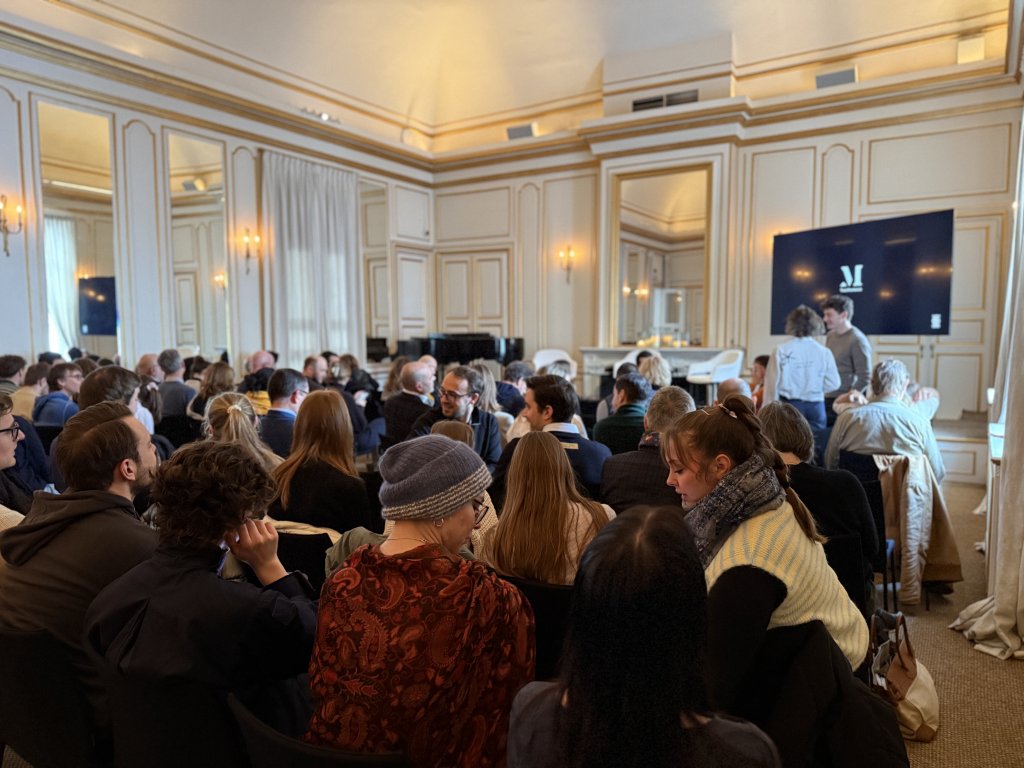
- Conference: “Ukraine in 2026: the year of peace?”, led by Wilson Fache, Toma Istomina, and Aude Merlin, professor of political science at ULB. It took place in the unique setting of The Merode, encouraging networking between students and experts and fostering exchanges between journalistic cultures and practices.


A bridge between cultures and journalistic practices
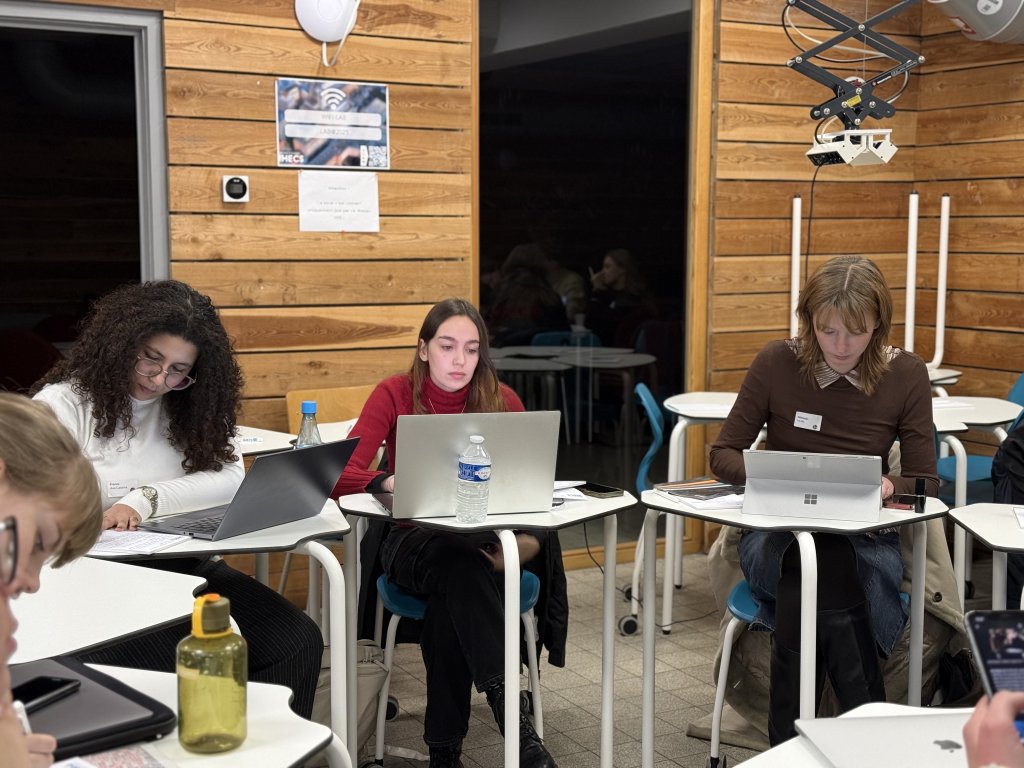
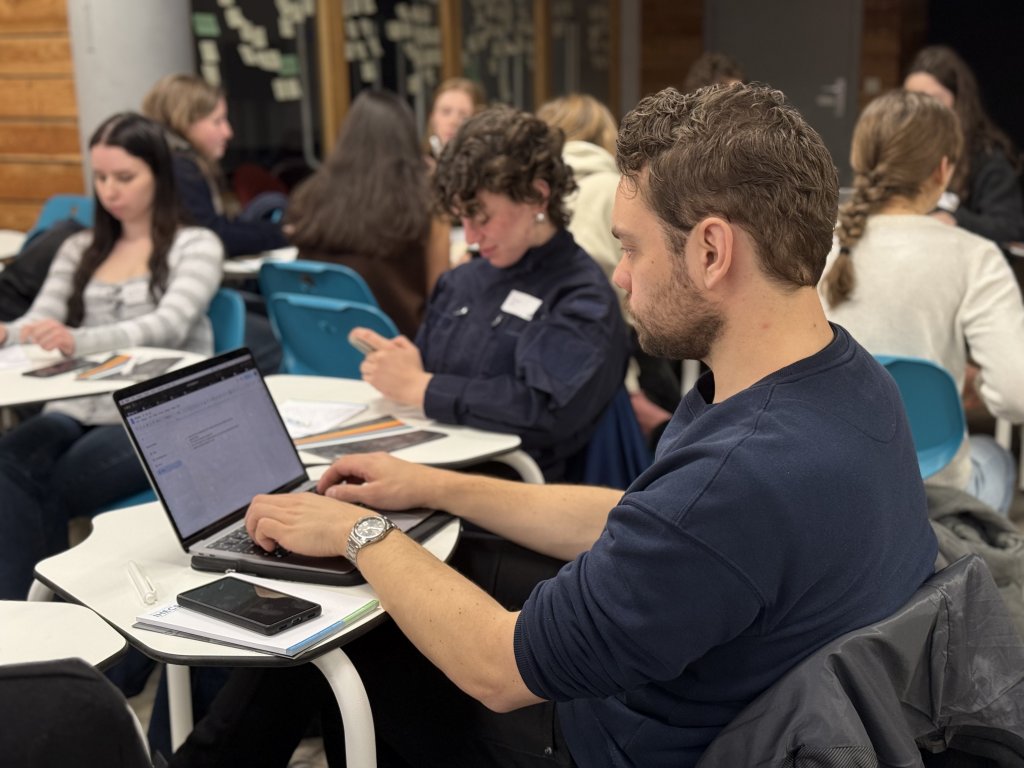
At the end of the week, participants worked in groups to produce a report in video, photo, or radio format. They took advantage of Brussels’ position as a European capital to meet experts, policymakers, humanitarian workers, diplomats, and members of the Ukrainian civilian community.
Throughout the week, students had the opportunity to discuss their projects with mentors and benefit from their expertise, adding real value to their final productions. The last day of the program was dedicated to presenting the outcomes of their work.
These projects allowed participants to put their mentors’ guidance into practice while engaging directly with the Ukrainian community in Belgium.
“This experience confirmed that Erasmus is a powerful bridge between Ukraine and the European academic community,” said Iryna Kuznietsova, professor at Borys Grinchenko Kyiv University, a partner institution of IHECS since 2022. She highlighted the transformation she observed in the students who took part in the program.
By making international mobility more flexible and inclusive, the BIP format continues to establish itself as an innovative learning opportunity, especially for students who are unable to participate in long-term stays abroad.